Is It Normal?The Ultimate Guide to Tattoo Healing (and When to Call Us)
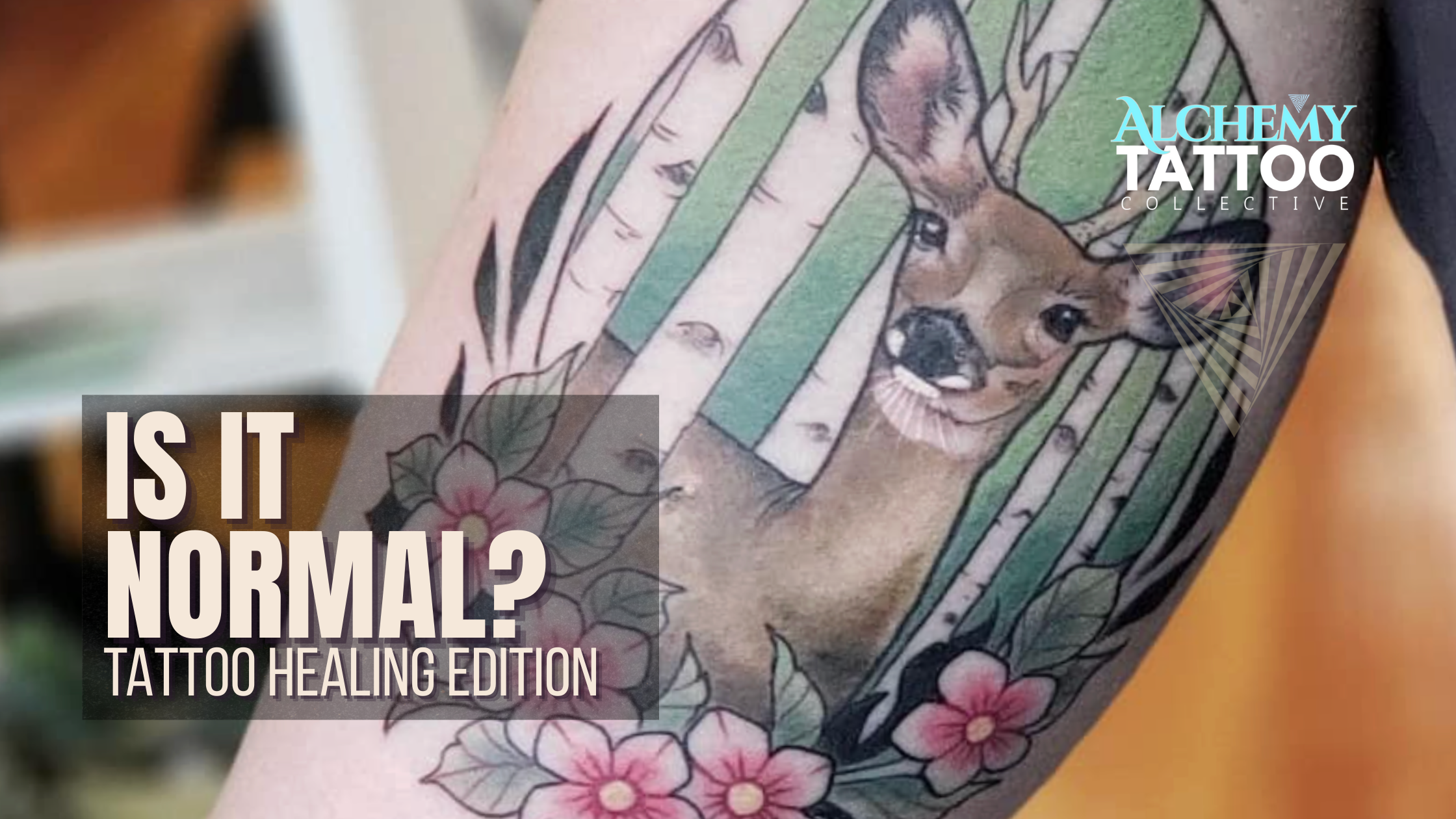
A healed tattoo by Chelsea Holloway
You walked out of the shop with a masterpiece, but 48 hours later, things are looking... a little weird. Your skin is red, there’s some "goo" on your shirt, and the internet is telling you ten different things.
At Alchemy Tattoo, we believe the best tattoo experience ends with a perfect heal. To save you from a "Google Spiral," we’ve compiled the definitive guide on what’s actually happening to your skin during the healing process.
1. The "Liquid Gold" Phase: Plasma and Oozing
On Day 1, you’ll likely see a clear, yellowish, or ink-tinted fluid weeping from the site.
What it is: This is plasma. It is a vital part of your blood filled with white blood cells and proteins designed to close the wound and begin the regeneration process.
The Secret to a Good Heal: If you aren't using a "second-skin" wrap (like Saniderm), you must gently wash this away 2–3 times a day. If plasma is allowed to dry on the skin, it turns into those thick, "crusty" scabs that can pull ink out and leave your tattoo looking patchy.
The Red Flag: If the oozing is thick, opaque, green, or has a foul "sour" smell, this isn't plasma—it’s pus, and it’s time to call a pro.
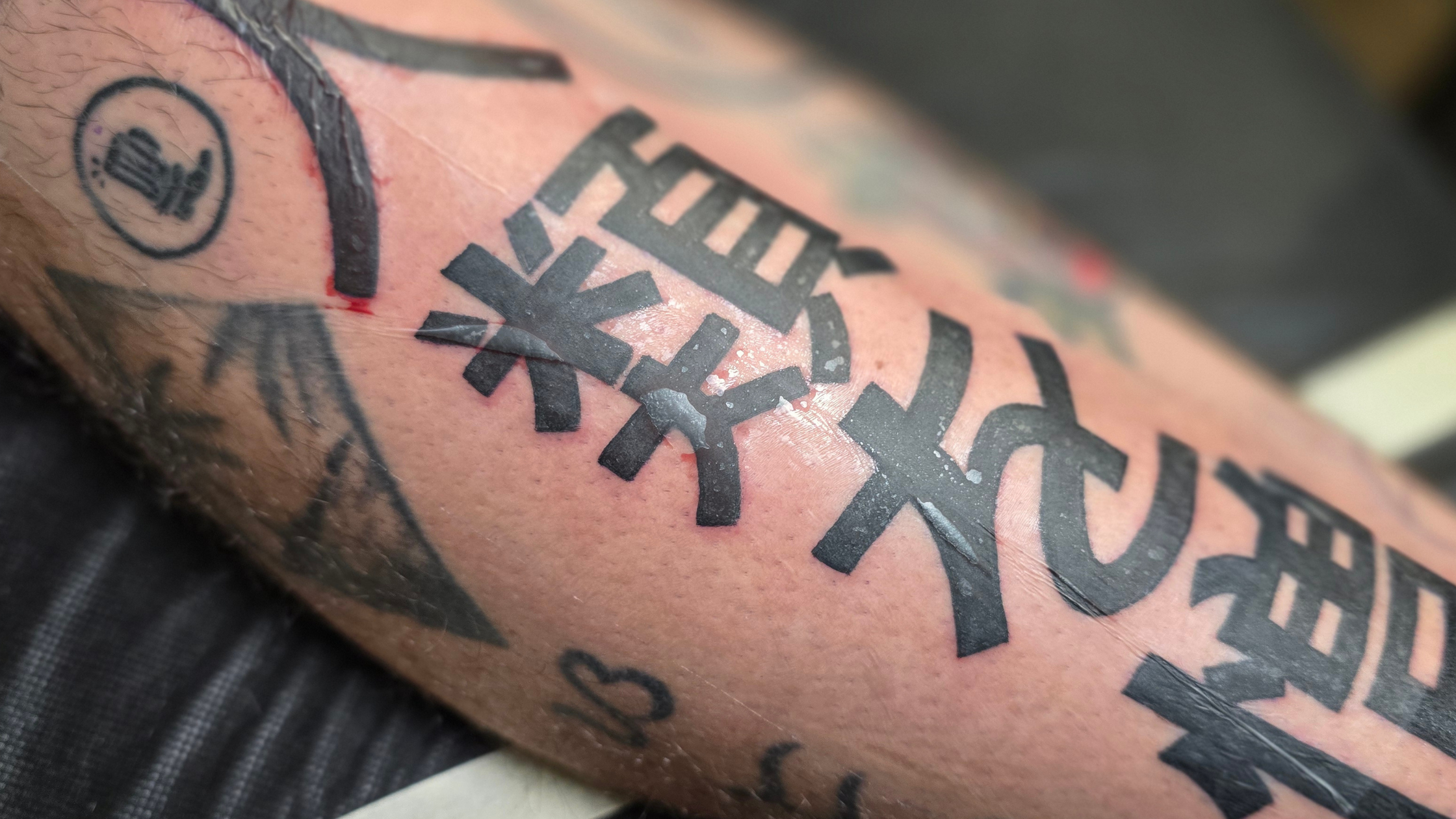
Fresh Tattoo by G Jones in St. Louis
2. Redness & Tenderness
Your skin has just been through a lot, so expect some reaction in the immediate aftermath.
What is Normal: Mild swelling, warmth, and a pink/red "halo" around the tattoo are expected in the first 24–48 hours. It should feel similar to a moderate sunburn.
The Red Flag: If the redness is spreading further away from the tattoo, feels hot to the touch after day 3, or if the pain is worsening rather than dulling, you need to pay close attention.
3. Peeling: The Sunburn Effect
Your tattoo will eventually start to flake like a bad sunburn. This is the most dangerous time for your tattoo’s longevity.
The Golden Rule: Do. Not. Pick. If you pull a flake that isn't ready to drop, you are pulling ink out of the dermis that hasn't finished settling.
The "Not Normal" Sign: If scabs are deep, painful, and bleeding when they come off, your skin is under too much stress.
4. Tattoo Pimples vs. Staph (The Danger Zone)
This is where most people panic. You see a bump and think "Infection!" But often, it's actually over-care.
Tattoo Pimples (Folliculitis): These are small whiteheads that appear because you are likely using a heavy, petroleum-based moisturizer (like Aquaphor). Petroleum is "occlusive," meaning it creates a seal. If you apply it too thick, it traps sweat, bacteria, and dead skin in the hair follicle, causing a breakout.
The Fix: Stop using petroleum products immediately. Switch to a light, fragrance-free lotion and apply a much thinner layer.
The Real Danger (Staph/Infection): Unlike a pimple, a Staph infection usually feels like a hard, painful, hot-to-the-touch lump or a cluster of blisters.
The Difference: A tattoo pimple is annoying but usually painless. An infection is deep, throbbing, and often accompanied by a fever or a general "sick" feeling. Never attempt to pop a bump on your tattoo.
5. Itching: The Ultimate Test of Will
Healing skin is itchy skin. The nerves are "waking up" as the tissue repairs itself.
How to survive: Instead of scratching, gently slap or tap the tattoo with clean hands. It confuses the nerves and provides relief without damaging the art.
The Red Flag: If the itch is accompanied by a raised, red rash or hives, you might be having an allergic reaction to an aftercare product or a specific ink pigment.
6. The "Foggy" Stage (Silver Skin)
About two weeks in, your tattoo might look dull, cloudy, or "ashy." You might worry the ink is fading.
Why it happens: Your body is growing a brand-new layer of skin (called silver skin) over the ink. Because this skin is brand new, it isn’t perfectly transparent yet.
The Solution: Patience. Once that layer matures (around week 4–6), the "fog" will lift, and your colors will pop again.
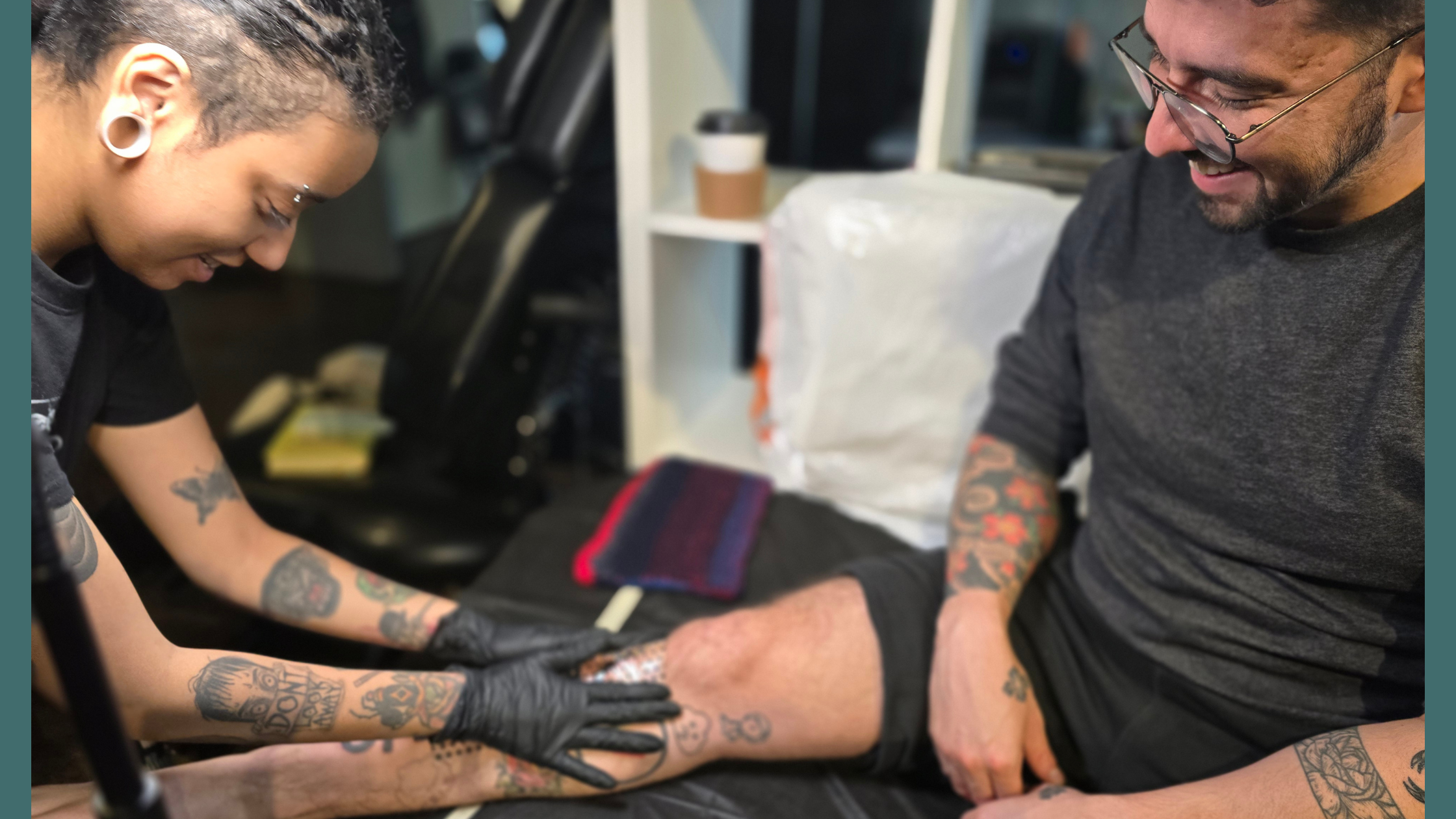
G Jones bandaging a fresh tattoo
The "Call Your Artist" Checklist
If you experience any of the following, stop the "at-home" fixes and contact us and/or a medical professional:
Red Streaks: Red lines moving away from the tattoo site toward your heart.
Fever/Chills: Systemic signs that your body is fighting a serious infection.
Heat: The tattoo feels significantly hotter than the surrounding skin after Day 3.
Extreme Pain: Pain that is getting worse every day rather than better.
Alchemy Tattoo is proud to be a staple of the St. Louis tattoo community, we’re with you from the first needle-drop to the final heal. When in doubt, just reach out.